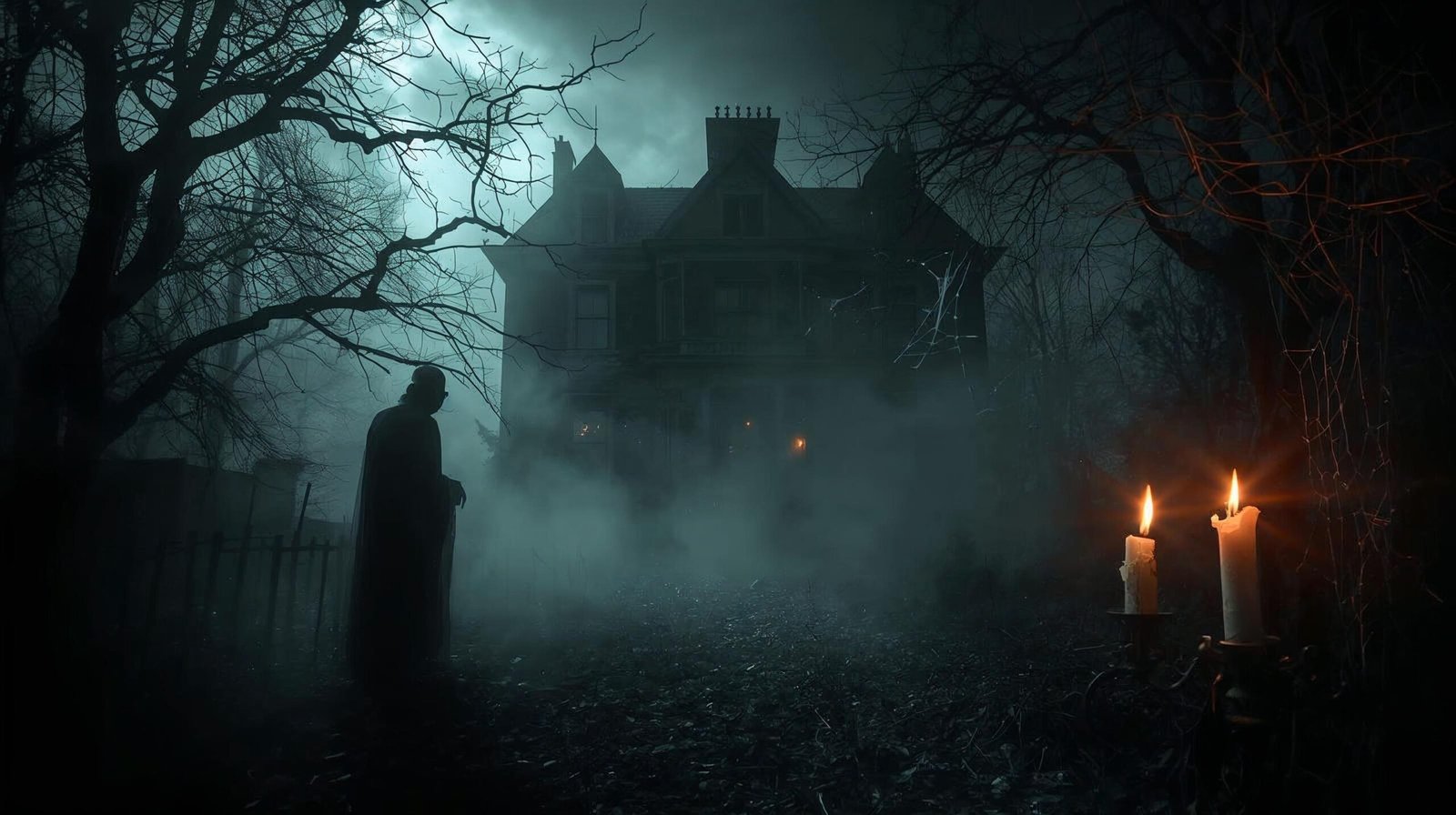
Halloween isn’t just about jump scares and horror—it’s the perfect time to curl up with classic Gothic literature that’s atmospheric, thought-provoking, and deliciously eerie without being terrifying. These five timeless tales offer the ideal balance of mystery, mood, and masterful storytelling. Whether you’re drawn to psychological suspense, supernatural encounters, or philosophical questions wrapped in shadowy settings, these classics deliver that perfect Halloween ambiance while remaining accessible for readers who prefer their spooky season reads on the gentler side. Each of these works has shaped the Gothic genre and continues to captivate readers over a century after their publication.
The Strange Case of Dr. Jekyll and Mr. Hyde
By Robert Louis Stevenson
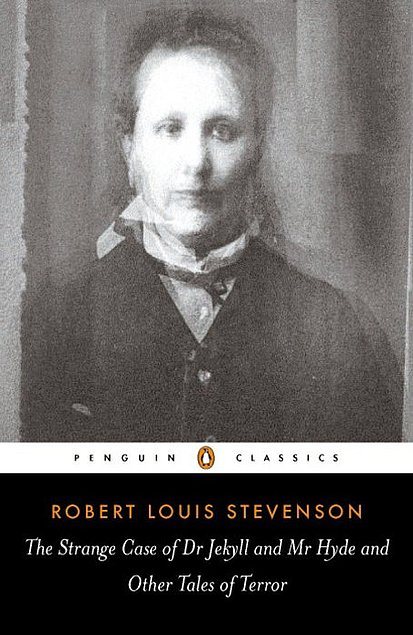
This novella explores one of literature’s most famous dual identities in a tale that’s far more psychological than horrific. Set in foggy Victorian London, the story follows the respected Dr. Jekyll’s experiments with human nature, which unleash his dark alter ego, Mr. Hyde. What makes this work so compelling isn’t gore or terror, but rather its exploration of the duality within all of us—the constant battle between our civilized selves and our baser instincts.
Stevenson crafts an atmosphere of mounting unease as lawyer Gabriel Utterson investigates the mysterious connection between his friend Dr. Jekyll and the sinister Mr. Hyde. The foggy London streets, locked laboratory doors, and whispered rumors create a brooding backdrop that perfectly captures the tension between Victorian propriety and hidden darkness.
The book raises fascinating questions about identity, morality, and self-control that remain relevant today. Can we truly separate the good and evil within ourselves? What happens when we try? At just over 70 pages, it’s a quick read that packs substantial philosophical depth into its compact narrative. Perfect for a Halloween evening when you want something atmospheric and thought-provoking rather than terrifying. The story’s most frightening element isn’t violence but the unsettling realization that Hyde lives within Jekyll—and perhaps within all of us.
Frankenstein
By Mary Shelley
Often called the first science fiction novel, Mary Shelley’s masterwork is far more nuanced than the Hollywood monster movies suggest. This is a deeply philosophical tale about creation, responsibility, and what it means to be human. Written when Shelley was just eighteen, the novel follows Victor Frankenstein, a young scientist who succeeds in bringing life to a creature assembled from dead body parts—and then immediately abandons his creation in horror.
The real heart of this story lies in the creature’s perspective. Intelligent, articulate, and desperate for connection, he’s rejected by society solely based on his appearance. His journey from innocence to bitterness is heartbreaking, raising questions about nature versus nurture and society’s role in creating the very monsters it fears. The creature isn’t inherently evil—he becomes dangerous only after experiencing endless rejection and cruelty.
Shelley’s prose creates an atmospheric Gothic mood through the stark landscapes of the Swiss Alps and Arctic wilderness, but the true chill comes from the moral questions she poses. Who is the real monster—the creature or his creator? What responsibilities do we have toward those we bring into the world? How does isolation shape us?
For Halloween reading, Frankenstein offers substance alongside its spooky setting. It’s thought-provoking rather than frightening, making it perfect for readers who want literary depth with their October atmosphere.
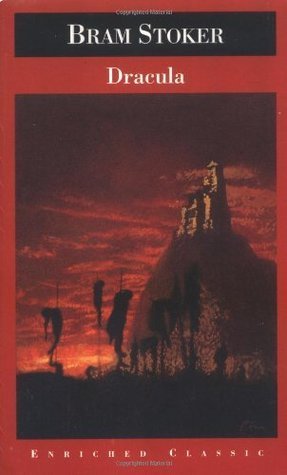
Dracula
By Robert Louis Stevenson
Bram Stoker’s novel introduced the world to Count Dracula and established many vampire conventions we recognize today. Told through journal entries, letters, and newspaper clippings, the story follows Jonathan Harker’s terrifying visit to Dracula’s Transylvanian castle and the subsequent pursuit of the vampire after he relocates to England.
What makes Dracula such an enduring classic is Stoker’s skillful building of dread and atmosphere. The early chapters set in Castle Dracula are genuinely unsettling—the sense of being trapped with something ancient and malevolent creates palpable tension. Once the action moves to England, the novel becomes a battle between modern Victorian rationality (represented by the group led by Professor Van Helsing) and ancient supernatural evil.
The writing format allows Stoker to show multiple perspectives while creating dramatic irony—readers often know more than individual characters, heightening the suspense. Mina Harker emerges as one of the novel’s most capable characters, combining Victorian femininity with remarkable intelligence and courage.
While Dracula contains some violent scenes, it’s more about atmosphere and psychological terror than graphic horror. The fog-shrouded London streets, the eerie arrival of the Demeter ship, and the race against time to save Lucy create gripping tension without excessive gore. For Halloween readers, it offers that perfect blend of classic Gothic mood, supernatural elements, and adventure—thrilling without being overwhelming.
The Legend of Sleepy Hollow
By Washington Irving
Washington Irving’s beloved tale is the quintessential Halloween story—atmospheric, slightly spooky, and surprisingly humorous. Set in the Dutch settlement of Sleepy Hollow in the late 1700s, the story follows Ichabod Crane, a gangly, superstitious schoolteacher who becomes smitten with Katrina Van Tassel, the daughter of a wealthy farmer. His romantic rival is the boisterous Brom Bones, who delights in tormenting the nervous Ichabod.
Irving excels at creating autumnal atmosphere—his descriptions of the Hudson Valley in fall are gorgeous, painting a picture of harvest abundance, rustling leaves, and gathering twilight. The village itself seems enchanted, filled with local legends and ghost stories, particularly the tale of the Headless Horseman who haunts the hollow.
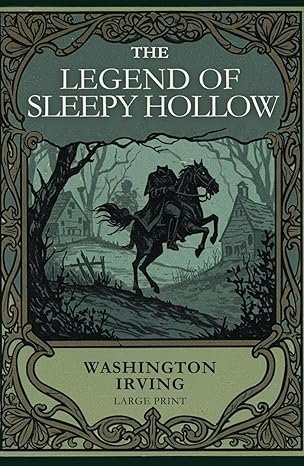
What makes this story work so beautifully is its ambiguity. When Ichabod encounters the Horseman on his fateful midnight ride, is it truly a supernatural encounter, or is it Brom Bones in disguise, playing on Ichabod’s fears? Irving never tells us definitively, leaving readers to draw their own conclusions.
The story gently satirizes Ichabod’s superstitious nature while also playing into our own love of spooky tales. It’s cozy rather than scary—perfect for reading by the fire with apple cider on a crisp October evening. Irving’s warm, humorous narrative voice makes this feel like a story being told by a friend, complete with tangents and knowing winks at the reader.
The Canterville Ghost
By Oscar Wilde
Oscar Wilde’s comedic ghost story flips the typical haunted house tale on its head. When the American Otis family moves into the English Canterville Chase, they’re warned about the resident ghost—Sir Simon de Canterville, who has haunted the property for three hundred years. But this practical, no-nonsense American family refuses to be frightened by any ghost, no matter how hard he tries.
What follows is a delightful comedy of errors as Sir Simon attempts increasingly elaborate haunting schemes, only to be met with stain remover for his bloodstains, oil for his clanking chains, and general American pragmatism. The Otis twins even ambush him with pillows and a butter-slide. Poor Sir Simon, accustomed to terrifying English aristocrats, is utterly baffled by this unflappable family.
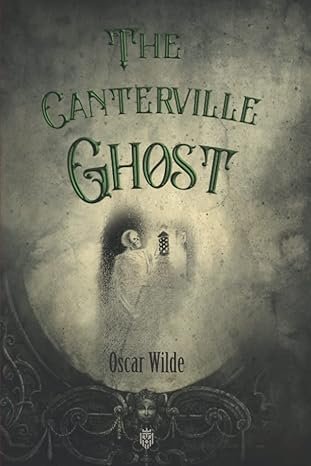
But beneath the humor lies real pathos. We gradually learn Sir Simon’s tragic backstory and why he’s condemned to haunt the manor. The story takes a touching turn when Virginia, the eldest Otis daughter, shows the ghost compassion and helps him find the redemption he’s sought for centuries.
Wilde’s wit sparkles throughout, poking fun at both stuffy English traditions and brash American attitudes. The story balances comedy with genuine Gothic atmosphere and surprising emotional depth. It’s the perfect Halloween read for those who want something seasonally appropriate but light-hearted—proof that ghost stories can be funny, touching, and beautifully written all at once.
The Complete Stories and Poems
By Edgar Allen Poe
While this collection offers more than one Halloween sitting could accommodate, Edgar Allan Poe’s works are essential October reading. Poe practically invented the modern horror and detective genres, and his influence echoes through literature to this day. His stories and poems capture Gothic atmosphere like no other writer—his ability to build dread and explore the darkest corners of human psychology remains unmatched.
For Halloween reading, start with his most famous tales. “The Tell-Tale Heart” explores guilt and madness through an unreliable narrator who insists on his sanity while describing murder. “The Fall of the House of Usher” creates an atmosphere of decay and doom as a man visits his dying friend in a crumbling mansion. “The Masque of the Red Death” presents a haunting allegory about mortality that feels particularly resonant.

Poe’s poetry offers equally atmospheric options. “The Raven” with its famous refrain of “Nevermore” captures grief and loss through a mysterious bird’s visit. “Annabel Lee” tells of love transcending death with haunting beauty.
What makes Poe perfect for Halloween is his focus on psychological horror rather than gore. His stories unsettle through atmosphere, unreliable narrators, and the exploration of fear, guilt, and madness. The terror comes from within the human mind rather than external monsters. His prose is rich and musical, rewarding slow, attentive reading—perfect for savoring on dark autumn nights. Whether you choose one story or several, Poe delivers that quintessential Halloween mood of beautiful darkness.
These six classics prove that Gothic literature offers far more than cheap scares. Each work combines atmospheric settings, philosophical depth, and masterful storytelling to create Halloween reading that satisfies on multiple levels. Whether you’re drawn to psychological exploration in Jekyll and Hyde, moral questions in Frankenstein, supernatural suspense in Dracula, autumnal charm in Sleepy Hollow, comedic wit in The Canterville Ghost, or poetic darkness in Poe’s works, these timeless tales deliver cozy Halloween reading at its finest. Best of all, they’re widely available in beautiful editions and free public domain versions, making them accessible for any reader looking to add literary depth to their October reading list. So brew some tea, light a candle, and let these masters of Gothic literature transport you to their shadowy, thought-provoking worlds.